Once you understand the basics of cryptocurrency, the real edge comes from learning advanced concepts. This is where most beginners fail—they stop at surface-level knowledge, while experienced investors and traders operate with a deeper understanding of how the crypto ecosystem actually functions.
Advanced crypto is not just about buying and selling coins. It involves understanding market structure, tokenomics, liquidity, smart money behavior, and decentralized finance systems.
In this guide, we’ll break down the most important advanced crypto concepts that can take you from a beginner to a more strategic and informed participant in the market.
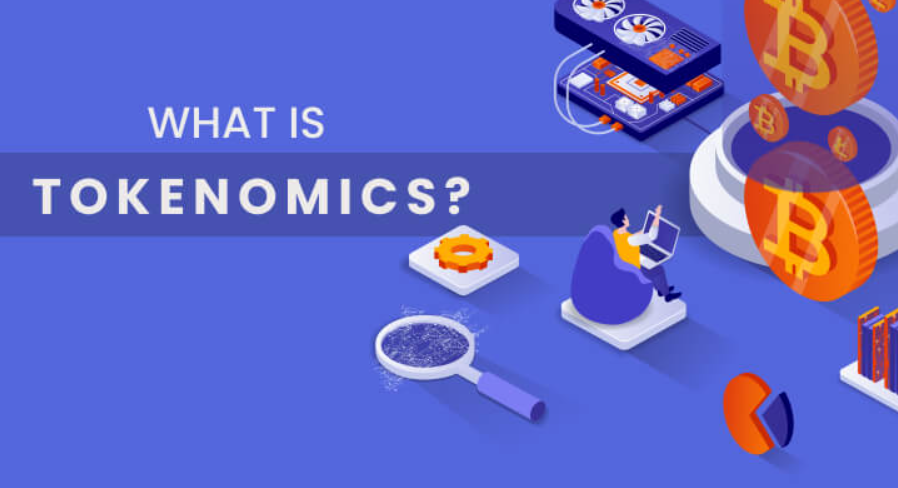
1. Tokenomics (The Economics of a Coin)
Tokenomics refers to how a cryptocurrency is designed economically. It includes supply, demand, distribution, and incentives.
Key factors to analyze:
- Total supply vs circulating supply
- Inflation or deflation mechanism
- Token utility
- Distribution (team, investors, public)
A strong project usually has limited supply, real use case, and fair distribution. Weak tokenomics often lead to price dumps.
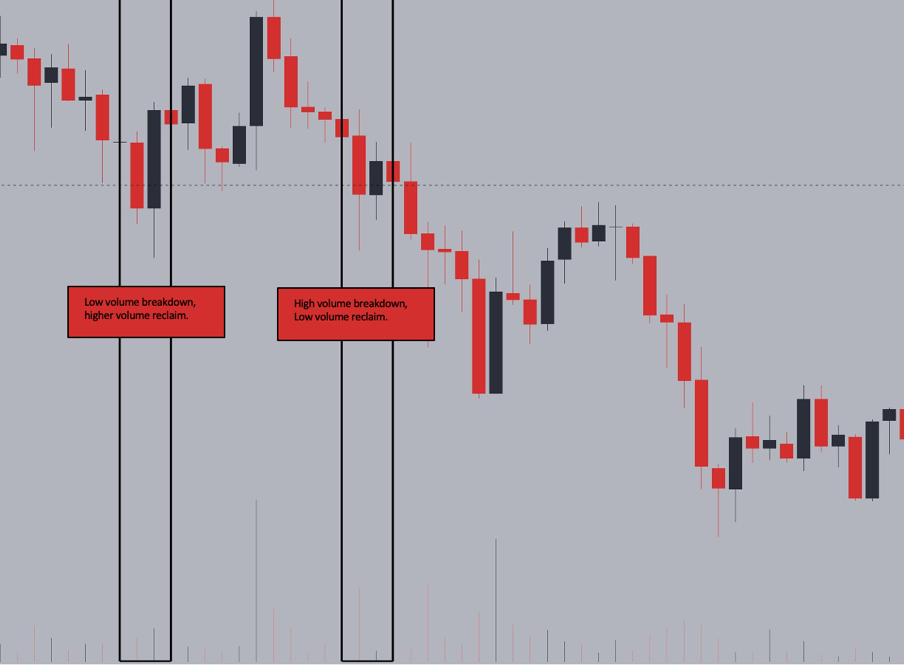
2. Market Liquidity and Volume
Liquidity determines how easily you can buy or sell a cryptocurrency without affecting its price.
- High liquidity = stable price movement
- Low liquidity = high volatility and risk
Volume shows how actively a coin is being traded.
👉 Smart traders always check liquidity before entering a trade.
3. Market Cycles (Bull vs Bear Market)
Crypto markets move in cycles:
- Bull Market → Prices rise, hype increases
- Bear Market → Prices fall, fear dominates
Understanding cycles helps you:
- Buy during accumulation phases
- Avoid buying at the top
Most beginners lose money because they enter during hype (late bull phase).
4. Smart Money vs Retail Traders
Smart money refers to institutional investors, whales, and experienced traders.
They:
- Enter early
- Accumulate quietly
- Sell during hype
Retail traders usually:
- Buy late
- Follow trends
- Panic sell
👉 Learning to track smart money behavior gives a huge advantage.
5. On-Chain Analysis
On-chain data comes directly from the blockchain.
You can analyze:
- Wallet activity
- Large transactions (whales)
- Token movement
- Network usage
Tools like Glassnode and Etherscan help track this data.
This gives insights that are not visible in price charts alone.
6. Decentralized Finance (DeFi)
DeFi is one of the most powerful parts of crypto. It allows users to access financial services without banks.
Key components:
- Lending and borrowing
- Decentralized exchanges (DEXs)
- Yield farming
- Liquidity pools
DeFi offers high returns but also comes with smart contract risks.
7. Staking and Yield Generation
Staking allows you to lock your crypto to support the network and earn rewards.
- Passive income method
- Common in Proof of Stake systems
Yield farming is more advanced and involves moving funds across platforms to maximize returns.
8. Leverage Trading (High Risk)
Leverage trading allows you to trade with borrowed money.
Example:
With $100 and 10x leverage → control $1000
While profits increase, losses also increase rapidly.
👉 This is where most beginners lose their entire capital.
9. Risk Management (Most Important Skill)
No matter how good your strategy is, without risk management, you will lose money.
Key principles:
- Never invest all your capital in one trade
- Use stop-loss
- Avoid emotional decisions
- Manage position size
Professional traders focus more on risk control than profit.
10. Narrative & Hype Cycles
Crypto markets are driven by narratives such as:
- AI + Crypto
- Gaming (GameFi)
- DeFi
- NFTs
Smart investors identify trends early and exit before hype fades.
11. Layer 1 vs Layer 2
- Layer 1 → Base blockchain (Ethereum, Solana)
- Layer 2 → Built on top to improve speed and reduce fees (Arbitrum, Optimism)
Understanding this helps identify strong long-term projects.
12. Security & Self-Custody
Advanced users don’t keep funds on exchanges.
Best practices:
- Use hardware wallets
- Protect private keys
- Avoid phishing links
- Enable 2FA
👉 In crypto: “Not your keys, not your coins”
Why Advanced Knowledge Matters
At beginner level, crypto feels like gambling.
At advanced level, it becomes strategy and probability.
This knowledge helps you:
- Avoid major losses
- Identify real opportunities
- Think long-term
FAQs
What is the most important advanced crypto skill?
Risk management and understanding market cycles.
Is DeFi safe?
It offers opportunities but carries smart contract risks.
Can beginners learn advanced crypto?
Yes, but step-by-step learning is important.
What is smart money in crypto?
Experienced investors and institutions who move markets.
Is leverage trading recommended?
Not for beginners due to high risk.
Conclusion
Advanced cryptocurrency knowledge separates serious participants from casual traders. While the basics help you enter the market, these deeper concepts help you survive and grow.
Crypto is not about luck—it’s about understanding systems, managing risk, and making informed decisions.
If you want long-term success, focus on learning, not chasing quick profits.